What to Expect from Roofing Estimates in Austin TX
Getting accurate roofing estimates Austin TX homeowners can rely on starts with understanding what a proper estimate should include. After living through three roof replacements on my own homes and watching friends navigate storm damage claims, I have seen the difference between a thorough professional assessment and a quick quote that misses half the picture. The market here is competitive, and honest pricing matters more than the lowest number on a piece of paper.
A good roofing contractor will not give you a number over the phone without seeing your roof. That might sound inconvenient, but it is the only way to catch hidden issues like soft decking or old flashing that could turn a simple repair into a full replacement. I learned this the hard way when a contractor quoted me a flat fee for shingle replacement on a sloped roof, only to find rotten plywood under the second layer. The final cost doubled, and the original estimate became useless.
Why a Free Estimate Matters More Than You Think
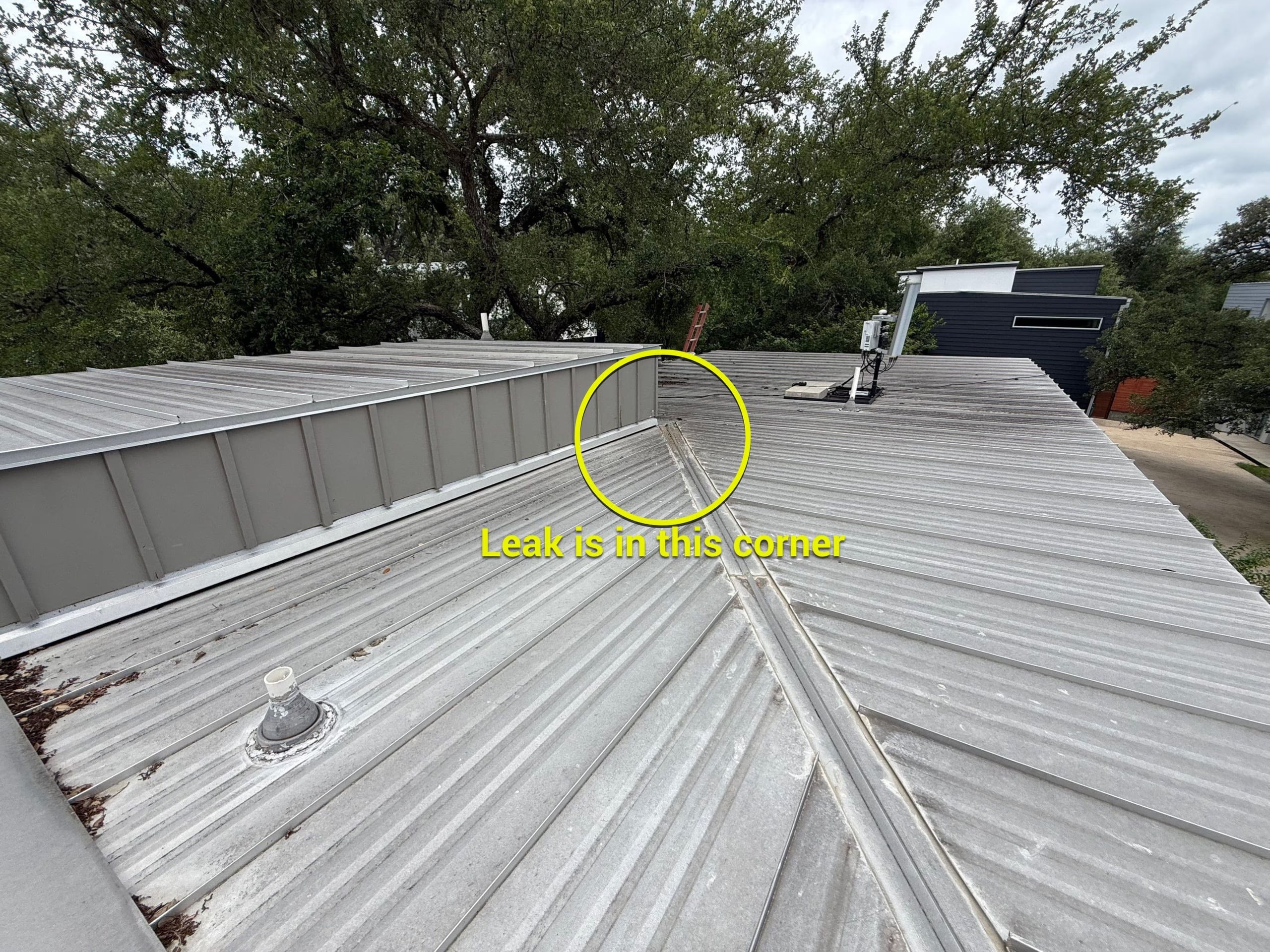
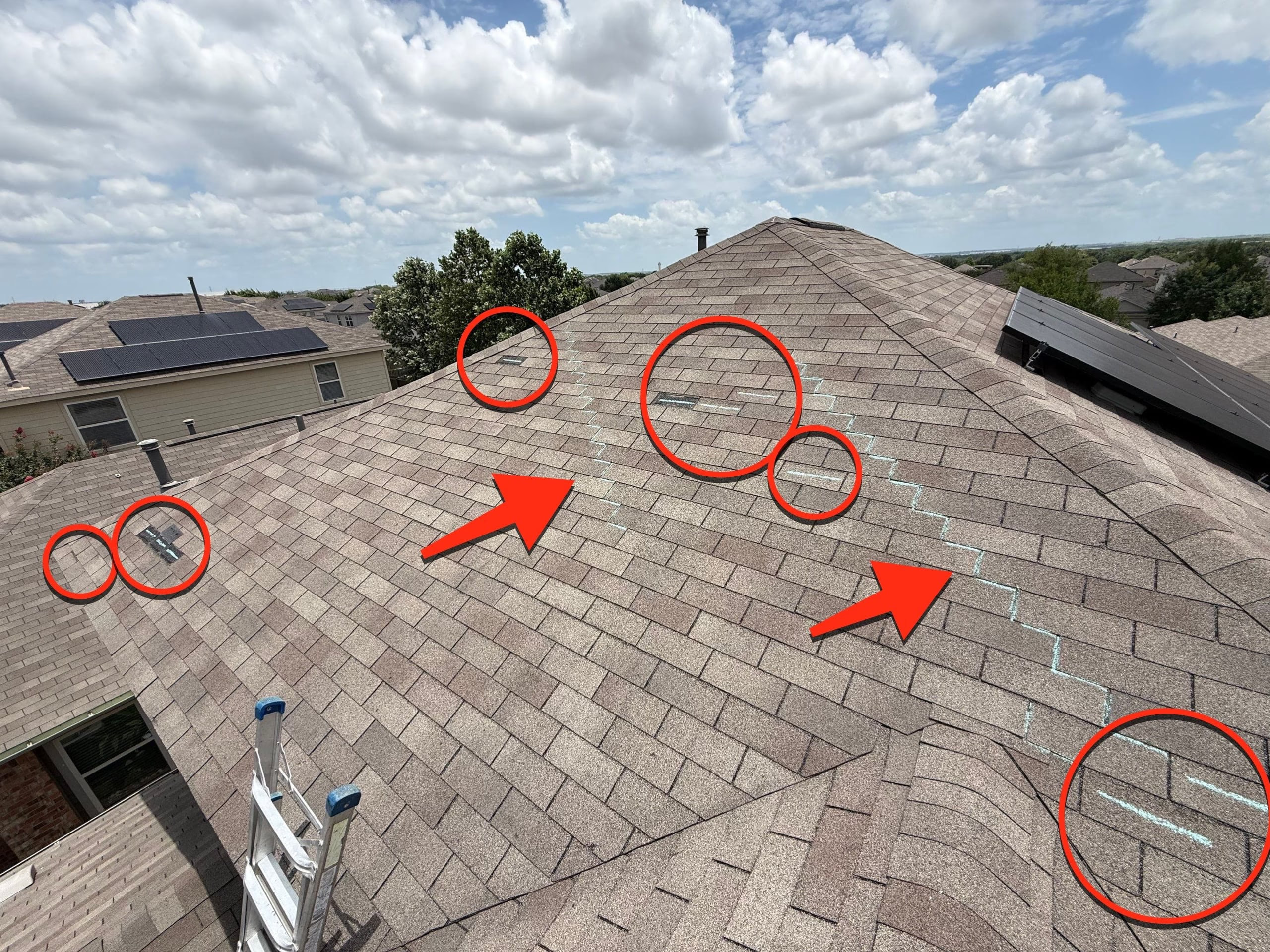
Most reputable companies offer a free estimate that includes a roof inspection. That inspection is where the real value lives. A licensed roofer climbing onto your roof can spot problems you never see from the ground: lifted shingles, cracked boots around pipes, ponding water on a flat roof, or rust spots on a metal roof that signal impending leaks. Without that on-site look, any number is just a guess.
When I worked with a company that used GAF materials and CertainTeed shingles, they walked me through every item on their estimate. They explained why they chose Owens Corning underlayment and how the roofing warranty would transfer if I sold the house. That level of detail is rare, but it is exactly what a no-obligation quote should provide. You pay nothing, and you walk away knowing what needs doing and why.
What a Thorough Roof Inspection Covers
A proper roof inspection should take at least thirty minutes on an average single-story home. The inspector checks the condition of the existing covering, looks for signs of storm damage, and evaluates the underlayment and ventilation. They also inspect flashings, valleys, and penetrations like vents and chimneys. On a flat roof, they pay close attention to drainage and membrane condition. On a sloped roof, they look at the pitch and the condition of the shingles or tiles.
After the inspection, the contractor should give you a written estimate that breaks down materials, labor, and any contingencies. That document is your protection. It should list the specific products, such as GAF Timberline or CertainTeed Landmark shingles, and the scope of work for roof repair or roof replacement. If the estimate mentions a roofing warranty, ask whether it covers materials only or includes labor. Manufacturer warranties like those from Owens Corning can last decades, but improper installation voids them. A good contractor backs their work with a separate workmanship warranty.
Common Pitfalls in Roofing Estimates Austin Homeowners Face
One common mistake is accepting an estimate that does not include a line item for permits or debris removal. Austin TX has specific building codes, and a licensed roofer should know them. If your estimate skips permits, you could face fines or trouble when selling. Another pitfall is vague language like "repair as needed" without specifying what that means. I have seen estimates that say "replace damaged shingles" but never define how many or which ones. That is a recipe for change orders and surprise costs.
Storm damage claims are another area where estimates get tricky. After a hailstorm, many homeowners call their insurance company first. The adjuster may approve a claim based on a quick drive-by or drone footage. But the real damage often shows up during a hands-on roof inspection. A good roofing contractor can help you document what the adjuster missed and provide a detailed estimate to support your insurance claim. That process is smoother when you have a professional assessment in hand.
Metal Roofs and Flat Roofs Require Different Approaches
If your home has a metal roof, the estimate should account for the type of metal, the fasteners, and the flashing details. Metal roofs expand and contract with temperature changes, so the installation method matters. A one-size-fits-all estimate from a contractor who mostly works with asphalt shingles might miss critical details around standing seams or snow guards. Similarly, flat roofs demand a different skill set. They need proper slope for drainage, durable membranes like TPO or EPDM, and careful seam welding. A contractor who specializes in sloped roofs may not have the same expertise on flat roofs.
I once had a neighbor who hired a general handyman to patch a flat roof. The patch failed within a year, and the water damage spread into his interior walls. He ended up paying for a full roof replacement plus drywall repair. That experience taught me that a free estimate from a qualified roofer is not just about price; it is about preventing expensive mistakes.
Honest Pricing vs. Low-Ball Quotes
Honest pricing means the estimate reflects the real cost of quality materials and skilled labor. A quote that comes in significantly lower than others should raise red flags. That contractor may cut corners by using inferior materials, skipping underlayment, or rushing the job. In Austin TX, where summer heat can reach over 100 degrees, cheap asphalt shingles can curl and crack in a few years. Paying a little more for CertainTeed or Owens Corning products saves money over time.
A reliable roofing contractor will also discuss the timeline and weather contingencies. If they schedule your job during a rainy week and do not plan for drying time, your estimate might be missing those details. Ask how they handle unexpected delays and whether the price holds if the job takes longer than expected.
What to Look for in a Written Estimate
A solid estimate should include these elements: a clear description of the work, the specific materials and brands, the start and end dates, the payment schedule, and the warranty terms. It should also state who pulls the permits and whether the contractor carries insurance. If the estimate says "you pull permits" or "insurance not included," walk away. A licensed roofer handles those responsibilities as part of the job.
When you are comparing roofing estimates Austin TX providers offer, ask each one how they handle unexpected issues. For example, if the roof inspection reveals rotten decking after the old shingles are removed, does the estimate include a contingency amount or will that be a change order? The best contractors build a small buffer into their quote for unknowns, so you do not get hit with a surprise mid-project.
Making the Most of a No-Obligation Quote
A no-obligation quote gives you the freedom to shop around without pressure. Use it to learn about your roof and the options available. Ask the inspector to show you any problem areas they find. Take photos during the inspection if you can. That knowledge helps you evaluate other bids and spot inconsistencies. If one contractor says your flat roof needs a full replacement and another says a repair will last five years, you have a real question to investigate.
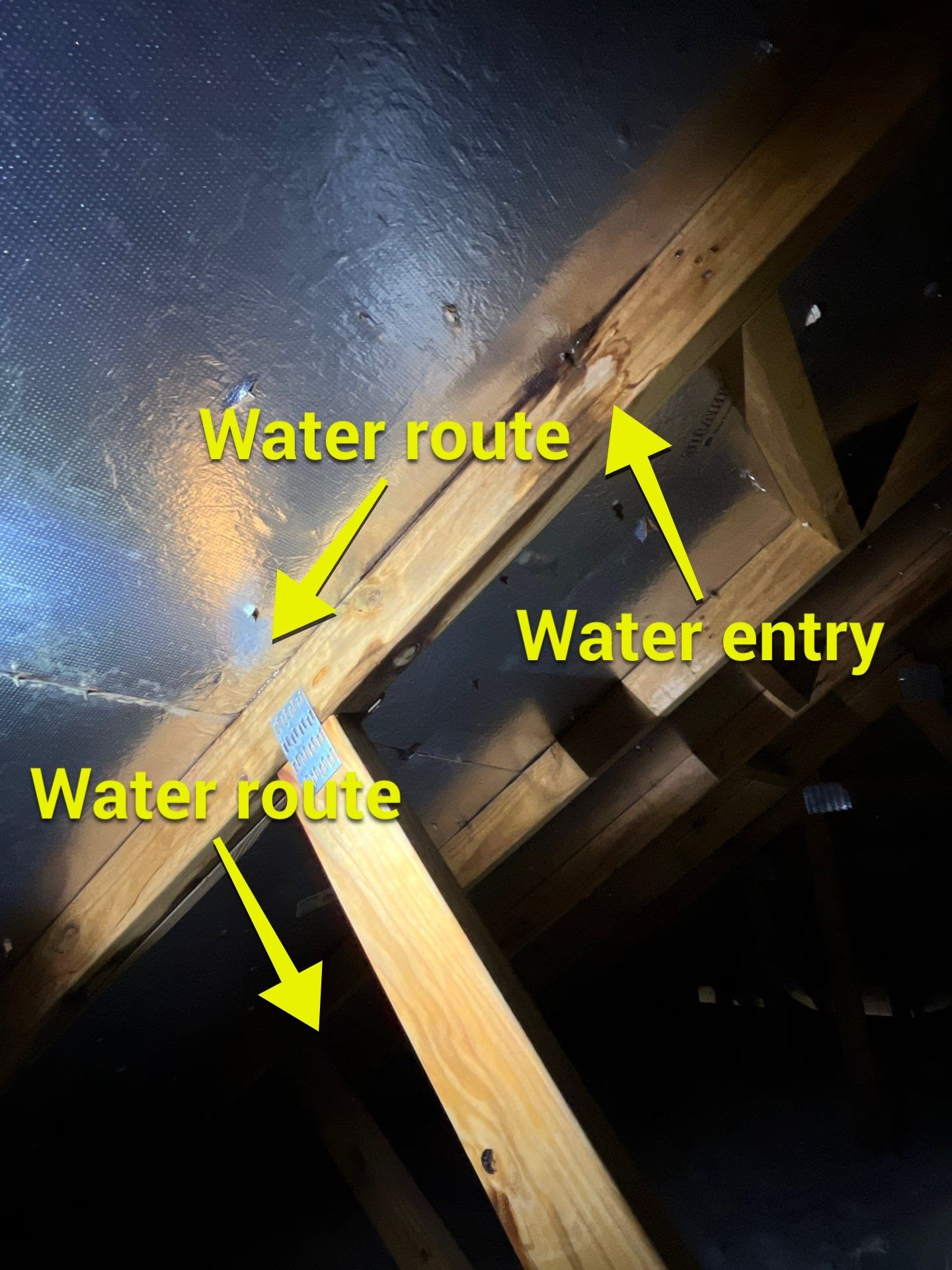
In my experience, the best estimates come from contractors who take time to explain their reasoning. They do not just hand you a price; they walk you through the roof inspection findings, show you the damaged areas, and explain why they recommend one approach over another. That transparency builds trust and makes the final decision easier.
Final Thoughts
Roofing estimates Austin homeowners receive are only as good as the inspection behind them. A free estimate that includes a thorough roof inspection is worth far more than a quick quote that skips the details. Whether you need shingle replacement on a sloped roof, a new membrane for a flat roof, or repairs after storm damage, the right estimate sets the foundation for a successful project. Take your time, ask questions, and choose a contractor who values honest pricing and clear communication. Your roof protects everything under it, and getting the estimate right is the first step to keeping it that way.